Piano tuning
Adjusting string tension balances pitch and intervals. If a piano has drifted significantly, its condition determines the appropriate approach.
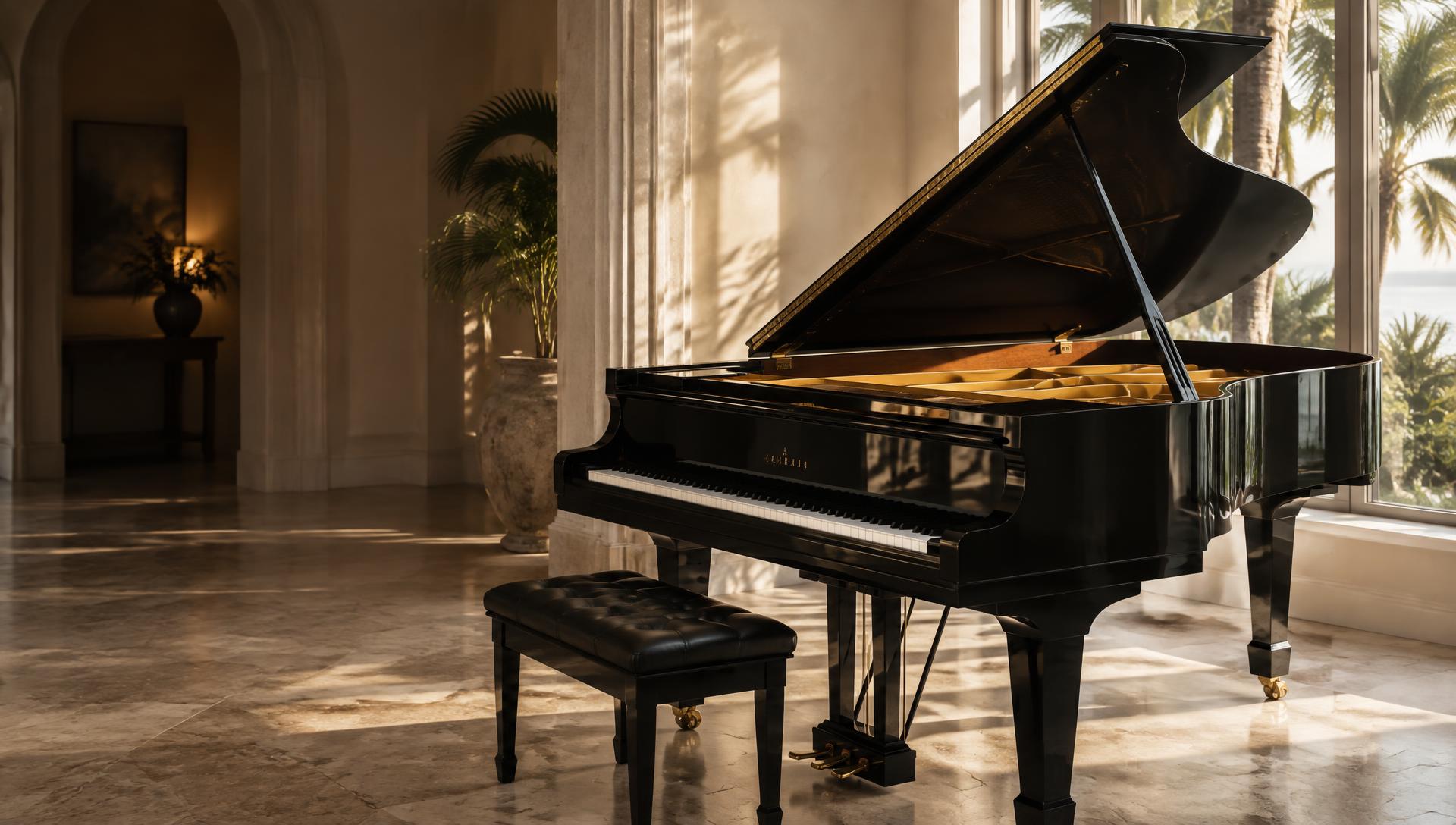
A practical plan for a busy household in Wellington: tuning, mechanical diagnosis and a considered assessment for an acoustic piano at home.
Your piano, considered individually
When a piano supports lessons or family practice, explain how many players use it and what they notice. Heavy-feeling keys, inconsistent repetition and notes that sound wrong are different concerns. A visit can assess them together without treating every problem as tuning.
If practice pauses during travel or seasonal stays, describe how the room is maintained. A return-to-playing assessment can check mechanical response as well as pitch.
Maestro Piano offers exceptional piano tuning and repair, delivered to the highest standards by a highly skilled musician and pianist with over 50 years of piano-tuning experience. His training took place in Russia at a piano factory specializing in piano construction and tuning. A trained ear, careful diagnosis, traditional specialist tools and deep hands-on repair and restoration craft guide the work; condition and repair scope are assessed individually.
A grand has horizontal strings and upward-striking hammers; an upright has vertical strings and a different return mechanism. Both need pitch and action checked, but access to parts and regulation differ. Findings and proposed work are explained before you decide.
Explore all piano servicesAdjusting string tension balances pitch and intervals. If a piano has drifted significantly, its condition determines the appropriate approach.
Silent notes, sticking keys, or broken hammers need diagnosis. Tuning alone cannot restore a damaged mechanism.
Regulation improves the action’s response; voicing refines tone. Larger restoration and refinishing decisions start with an inspection.
House, apartment & condominium visits
For gated access, identify visitor instructions without posting security codes publicly. Arrange a quiet window for assessment; building rules apply to apartments and condominiums too.
The visit starts with listening to your concerns and inspecting the piano. The findings and proposed work are explained before you choose how to proceed. Coverage and visit scheduling are confirmed individually; this page does not imply a local office.
A student may report that some keys are hard to press even though they sound in tune. Friction and action adjustments need checking before a remedy is proposed.
Understand piano parts and symptomsOne-time piano care
$250 USD
Includes travel within our listed South Florida service area and tuning/calibration.
$300 USD
For large, concert or unusually complex pianos needing extra time or specialist work. Make and model are reviewed first; brand alone never sets this price.
$180 USD
A separate follow-up appointment, paid once. Not a monthly plan.
Premium examples may include Steinway & Sons, Bösendorfer, Fazioli, C. Bechstein, Blüthner, Mason & Hamlin and concert grands. Not every piano from these makers requires the premium appointment; the $300 price must be explained and agreed before confirmation.
Parts, hammer replacement, regulation beyond included tuning/calibration, repairs, refinishing and restoration are quoted separately after inspection. No additional work is charged without your approval.
Monday–Friday: visits start 8:00 AM–3:00 PM
Each visit about 2 hours, with travel time between visits
Saturday & Sunday: closed
All times are America/New_York. Last visit starts at 3:00 PM.
Write to us in any language.
An assessment, not assumptions
Use the private request form with your name, contact details, Wellington location, piano type or make if known, and what you notice. Photos or a short video can help, but do not replace an inspection.
Many issues are repairable, but not every instrument is a practical restoration candidate. A request does not reserve a visit time or commit you to work.
Write to us in any language.
Before a visit
Share the concern and access details. Coverage and scheduling are confirmed individually. The piano is inspected, then findings and proposed work are explained before you decide.
A student may report that some keys are hard to press even though they sound in tune. Friction and action adjustments need checking before a remedy is proposed.
For gated access, identify visitor instructions without posting security codes publicly. Arrange a quiet window for assessment; building rules apply to apartments and condominiums too.
Tuning changes string pitch. Silent or sticking keys, broken hammers and uneven response need a mechanical check. Many faults can be repaired after inspection, but no outcome is guaranteed.